My first first day of school, as you probably know, did not go well. Unless you count laying on the floor of my office crying at the end of the day “going well.” It was the first time I ever realized you could be thinking one thing while saying something completely different. “Take a look at the syllabus,” said my mouth, while my brain said, OH NO, they hate this! They’re looking at the clock! And you have nothing else planned! And you have to do this with three more classes! Since then, “going over the syllabus” is not in my first day playbook. Nope, the last thing I want on day one is to stand in front of the class and lecture about our course texts, my expectations, and their upcoming units. So what will I be doing instead, in my first year back in the classroom in a bit? That’s what today’s podcast is all about.
Establishing Connection
I’ll be at my door as kids come in, saying good morning and welcoming them to the space. I’ll have a gentle playlist going and my classroom library will be looking as sparkly and appealing as I can possibly make it.
I’ll definitely be doing an attendance question (grab three free weeks’ worth here) on day one as I figure out names and name pronunciations. Probably I’ll start with a goofy one like waffle fries or curly fries, donuts or bagels, or dog person or cat person? The goal is just to introduce this little community builder, get attendance taken, and write down how to pronounce names.
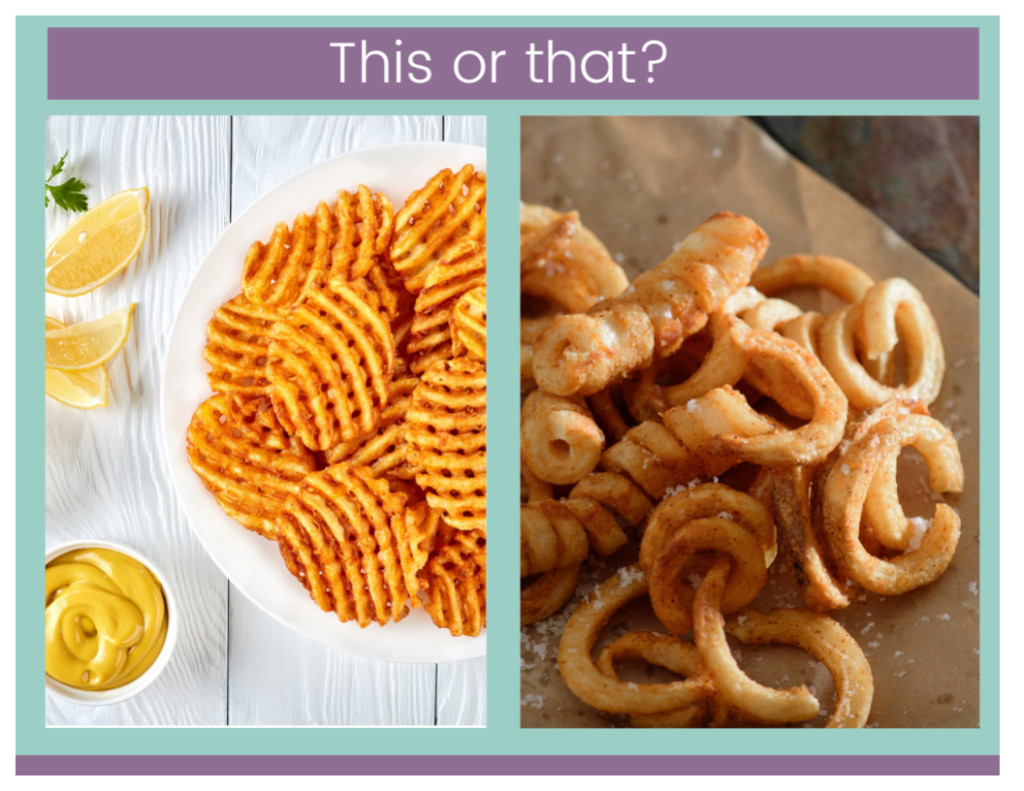
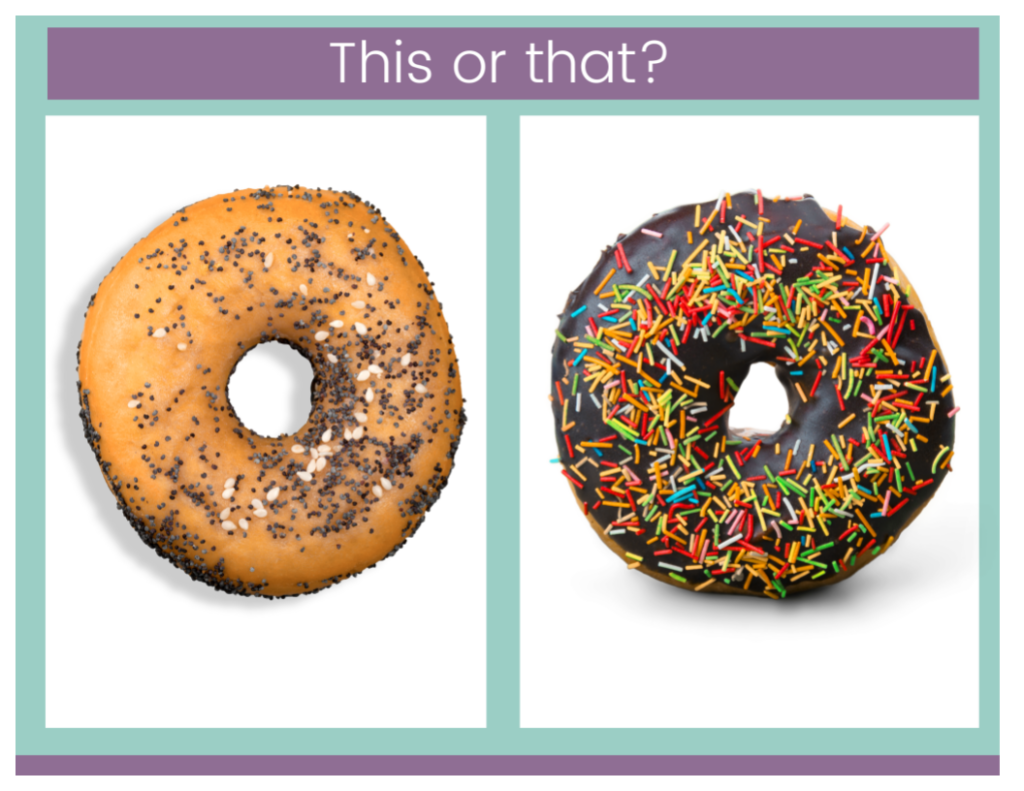
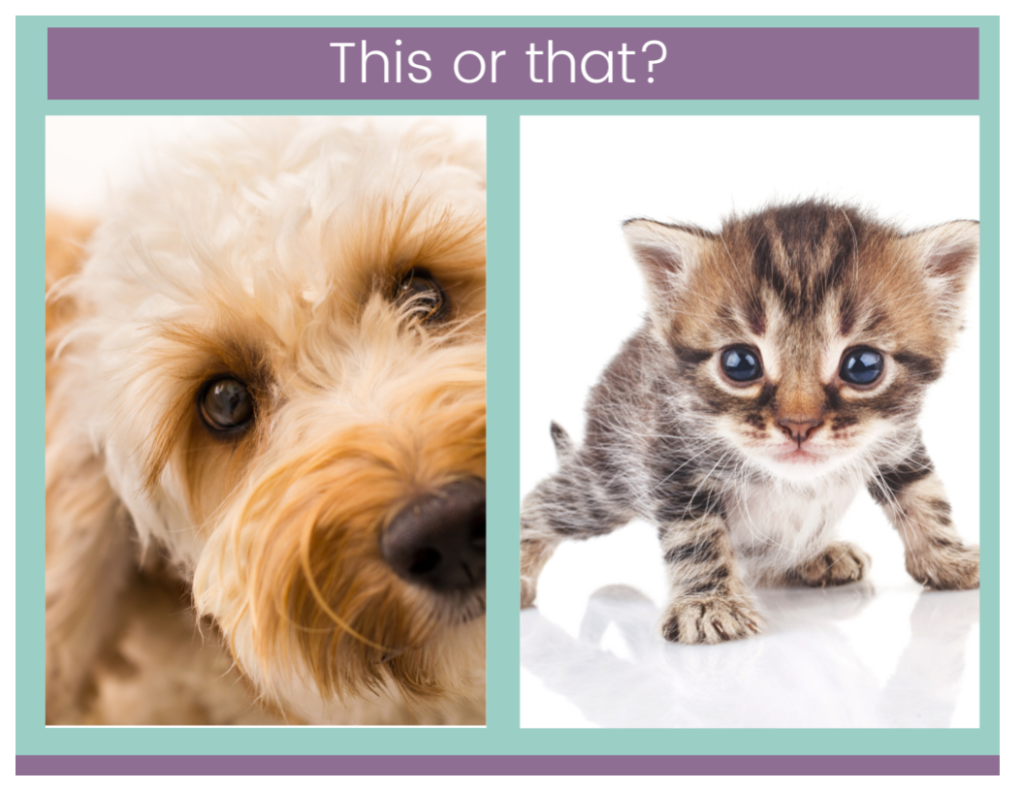
Speaking of names, it’s really important to me to get them right as fast as I can. Especially the names that are more unfamiliar to me. I’ve had a lot of kids tell me I can just pronounce their names wrong since it’s easier for me that way, a line they’ve obviously come up with as they’ve heard many people at school struggle with their names. And I always tell them I’d really like to learn to say it correctly if they’d be willing to help me. It can be tough for me with names that have a sound or intonation that I’m not familiar with in English, but that doesn’t mean I won’t try and try hard.
Name Tents
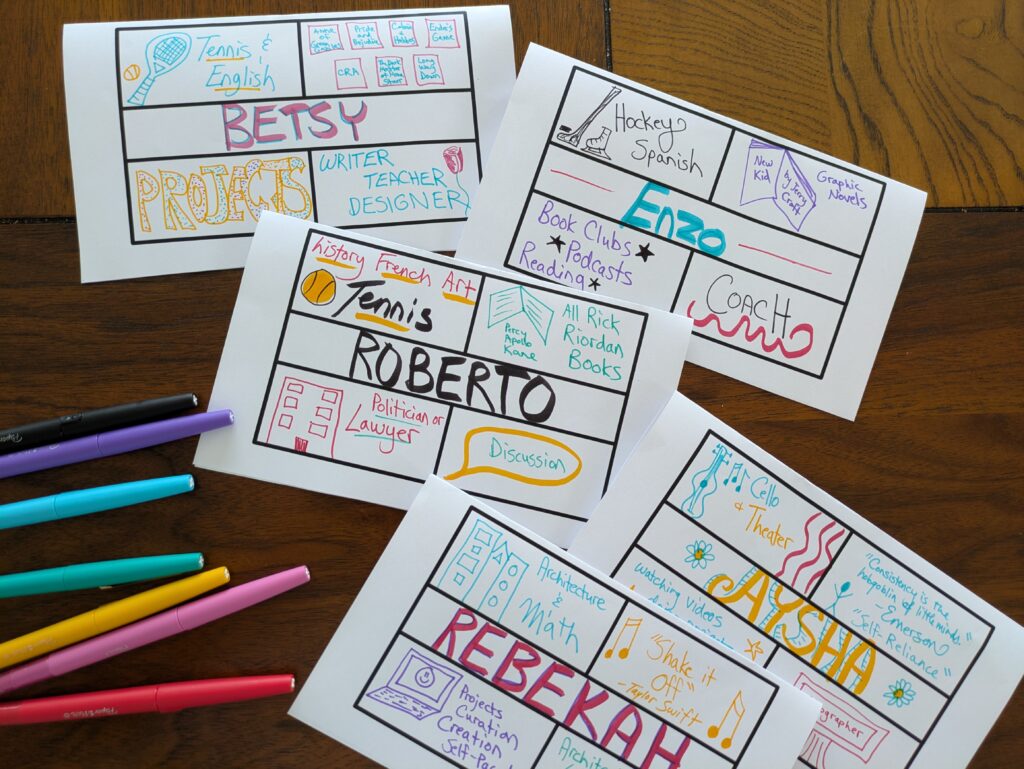
Next, I’ll spend ten minutes working on name tents with the group. I love these to help us all memorize names right away, but I also love having them as a resource throughout the year for changing up the seating, putting kids into groups that I believe will work, and leaving for subs. When the kids have each made their name tent, I’ll dash around to take a picture of each student holding up theirs, so I can practice at home that first night.
Pass out the Syllabus
At this point, I’ll pass out the syllabus, which I’ll be making soon using one of my syllabus templates so it doesn’t take long. I’ll be including a letter to parents this year about our choice reading program, inspired by the letters I’ve heard about from many other folks, including Penny Kittle. We will spend about 90 seconds looking at the syllabus, then I’ll ask them to take it home and have their parents look over it with them and sign that they read the letter about our choice reading program.
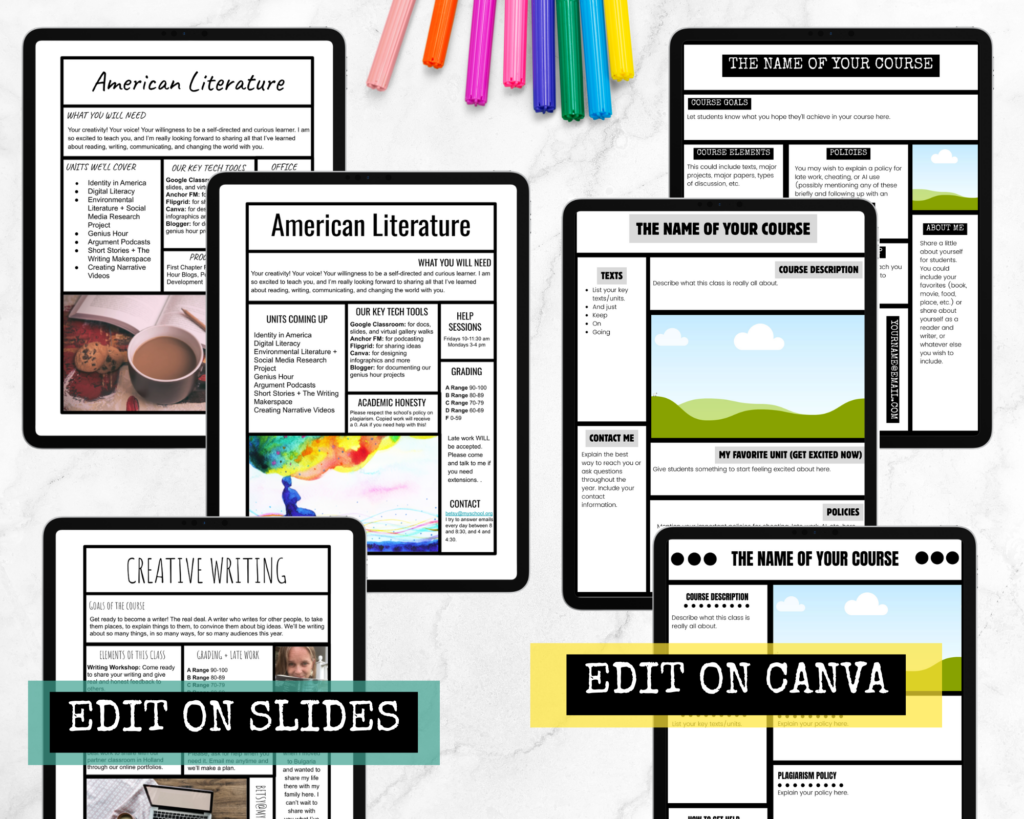
Grab your copy of the templates when you sign up for my weekly idea emails below. Unsubscribe anytime if they’re not right for you.
Harkness™ Introduction: The Community Story
Next, I’ll introduce the idea of student-led discussion and create a list of discussion norms with a meaningful activity I learned at the Exeter Humanities Institute. I’ll hand a beanbag to a student and ask them to start a story in which some character (human or not) leaves home on a journey. I’ll explain that they should tell the story for thirty seconds or so, then pass the beanbag to the next person who will continue the story, then the next person and the next, until the last person brings the character back home. Then there will be one final toss, to a person who will recount the whole story, getting help from the group at any time if they need it.
The stories that come out of this activity never fail to amaze me. They are wide-ranging, unique, weird, funny, fun. After the whole story is recounted, I have the last person toss me the beanbag, and I explain how our collective story represents the discussions we will have during the year. I talk about how I could never have come up with a story like that by myself, and how our class discussions will be much richer with all of us contributing than they could ever be if I just lectured to them. Then, together, we come up with an anchor chart of what makes for a good discussion. A student acts as scribe, jotting down what we come up with.
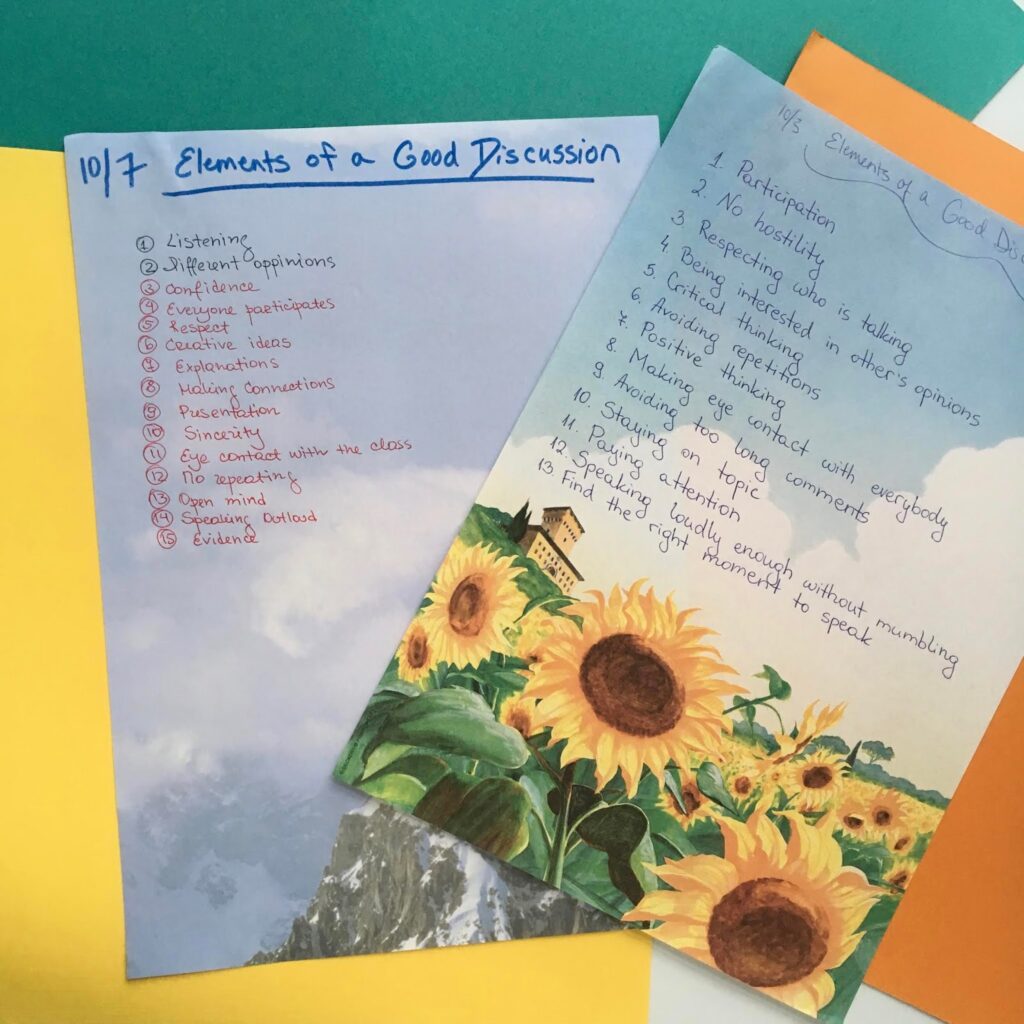
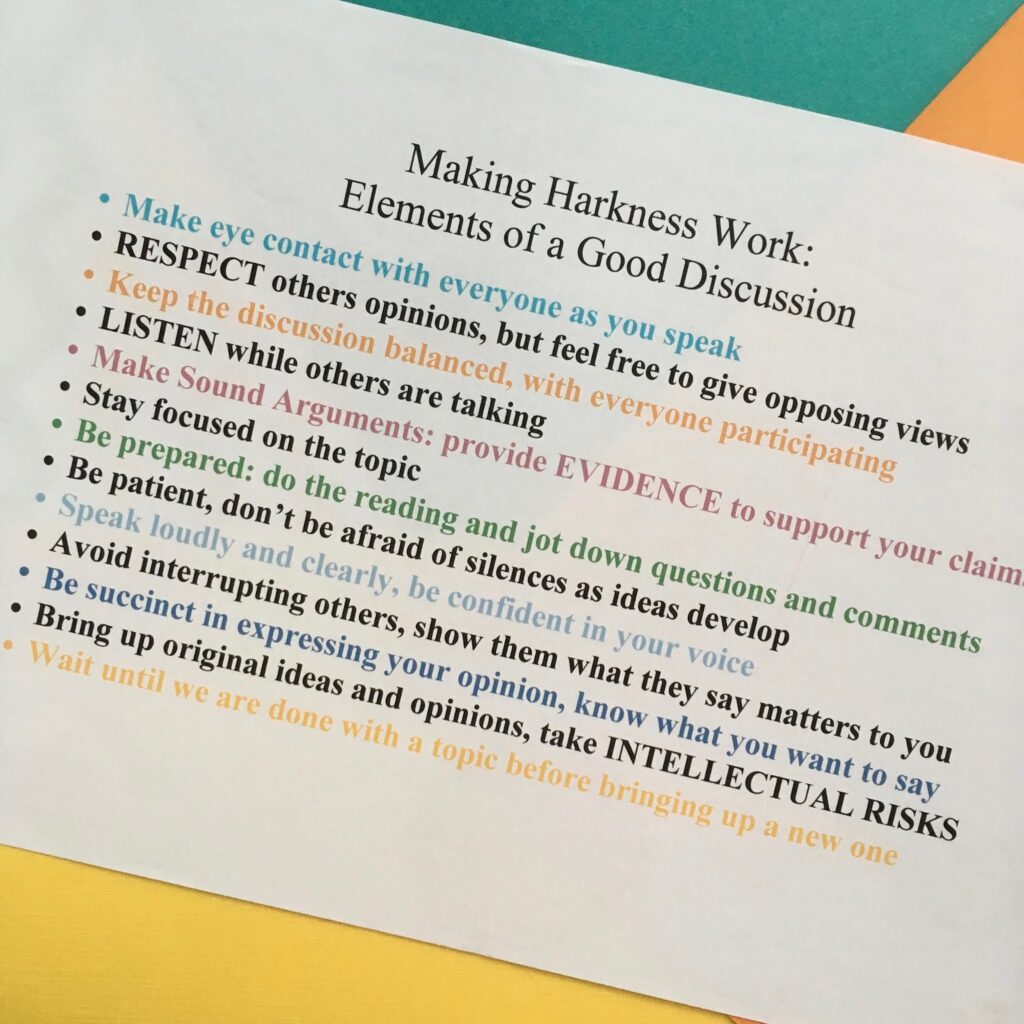
I find that usually my students hit almost everything that I would say, except for one thing. So I always illustrate that one thing humorously, by looking intensely right at one student and only that one students and saying something like: “I’ve got one more thing to add and it relates to how you interact with the group while you talk, and how that makes other people feel. Can anyone guess what I’m talking about right now?” Usually someone picks up on the idea of eye contact, and I ask the person whose soul I stared into how they felt while I was talking, and then others how they felt when I didn’t look at them at all. Eye contact will be a big deal in the Harkness conversations we’ll be having about books throughout the year, so I want to be sure to introduce this right away. All too often, kids see me as the main audience for their comments, excluding the rest of the group. But we will be sitting in a circle, and I will rarely be speaking in these student-led discussions, so it’s important for them to start early to speak to the whole community, not just me.
Creating this anchor chart together and centering the importance of their contributions to discussion is a great start, though we will still have plenty of work to do on setting up successful Harkness discussions in the coming days.
Break
This year I’ll be teaching a long block class, so at this point we’ll take a quick break. In my past schools, this would have been the end of the class.
Classroom Scavenger Hunt
When students return from break, I’ll pass out a classroom scavenger hunt sheet which will invite them to explore the room and find the various resources and important elements I want them to be aware of.
This scavenger hunt will help me answer-in-advance questions like:
- “Where can I grab a pencil?”
- “Where should I turn in this homework?”
- “Do you have any glue? Markers? Scissors?”
- “How can I find more dystopia in the library?”
- “Where do you keep the theater props?”
- “Can I recommend a book for the class library?”
- “Where do I sign out a book?”
- “Where do I return a book?”
- “Do I need a pass to go to the bathroom?” (no)
It won’t take too long. But it will be nice to be up and moving, and it will give kids a chance to see all the resources, displays, and books in our classroom.
Choice Reading Intro + Book Tasting
While the kids are scooting around on the scavenger hunt, I’ll be putting piles of books out onto the tables around the room for our final activity – a book tasting, because choice reading will be a key part of our year together, and I want to show them how we’ll prioritize reading books they choose right from day one.
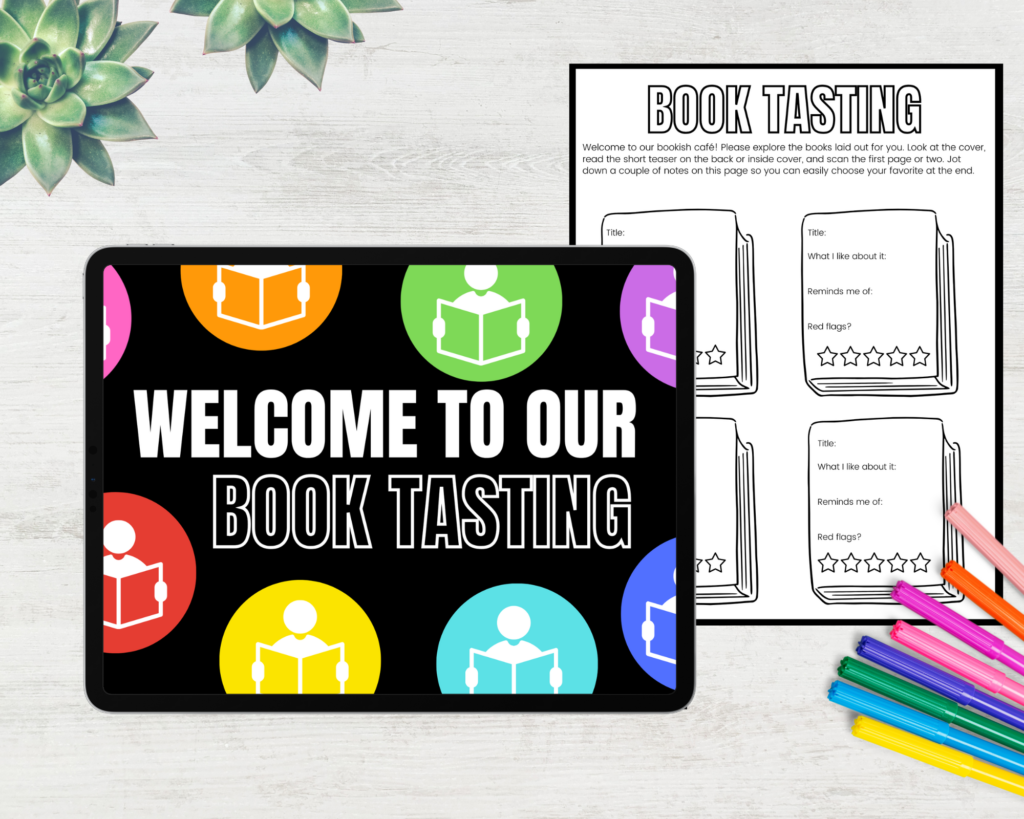
When they’re back in their seats, I’ll ask them not to pull the books just yet. First I’ll have them fill out a reading profile, to help me know what they have and haven’t liked in the past. Then I’ll explain that we’re going to do a book tasting so they can make the first entries in their “Next” (to borrow a term from Penny Kittle’s Book Love) lists in the back cover of their notebooks. I’ll model how to “taste” a book – picking up one that I haven’t read, looking at the cover, the author quotes, the back, the first page or two, etc. and thinking aloud about how I decide if I want to read it or not. Then I’ll invite them to move around the room, tasting the books I’ve put out for them and choosing the ones they find most intriguing to rate and jot a few notes about on their sheets. I’ll put on some music, bust out a snack, and we’ll taste books for the next 15 minutes or so. Then I’ll ask them to write “NEXT LIST” in the back of their notebook and put down at least one (and as many more as they want) title they’d be interested in reading this year on their list, letting them know they’ll be adding to this list all the time as I make book recs, their classmates do book talks, we read First Chapter Friday read-alouds and watch book trailers, etc.
Exit Ticket
At this point, students will know quite a bit about how this class is going to feel. I hope they’ll be starting to realize I prioritize multiple modalities, student-led discussion, active out-of-their-seats learning, community building, and choice reading. Knowing these things will hopefully be appealing for many students, but some may also be feeling anxious about the idea of participating in student-led discussion or worried about their reading speed. They may be nervous at a new school or overwhelmed by trying to keep up with a new language all day. As they head out on that first day, I’ll be asking them to turn in a “3 Things I’d like you to know” exit ticket. At the same time, I’ll give mine to them, so they can get to know me a little bit. Our work together will be built on the relationships we create. I don’t expect them to trust me automatically, but I hope to earn their trust as we go forward.