If you joined us for Camp Creative last week, you know we spent one of our days focused on AI. I shared a variety of activities to help students consider, discuss, and write about how AI affects them and their learning. Because I received so much positive feedback about these activities, I want to share them here too, in case you missed Camp. So today, let’s talk about how to dig into one of the big questions facing our profession right now, with your students, right from week one. Because I hope there’s a middle option between going entirely to paper and staying digital but playing the role of constant AI detective. Because there are digital activities I really love, activities that put the world at students’ fingertips. And we already know that AI Detectors constantly make mistakes, or are duped by AI Humanizer programs.
AI Activity or Station #1: Silent Discussion
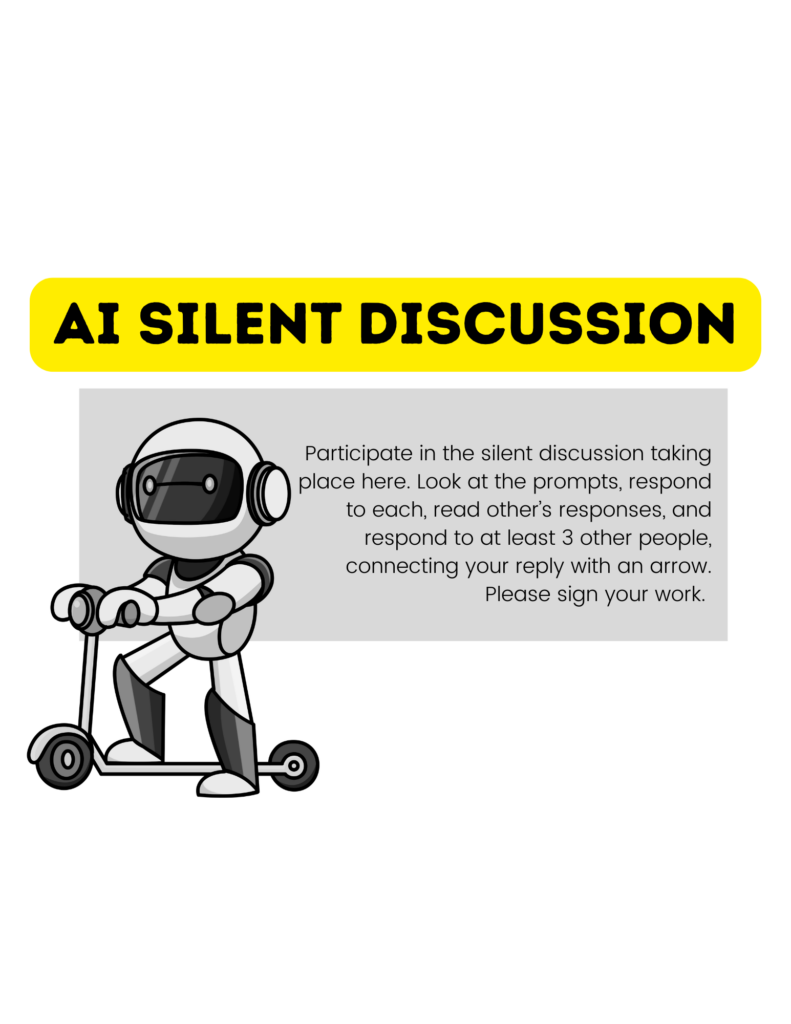
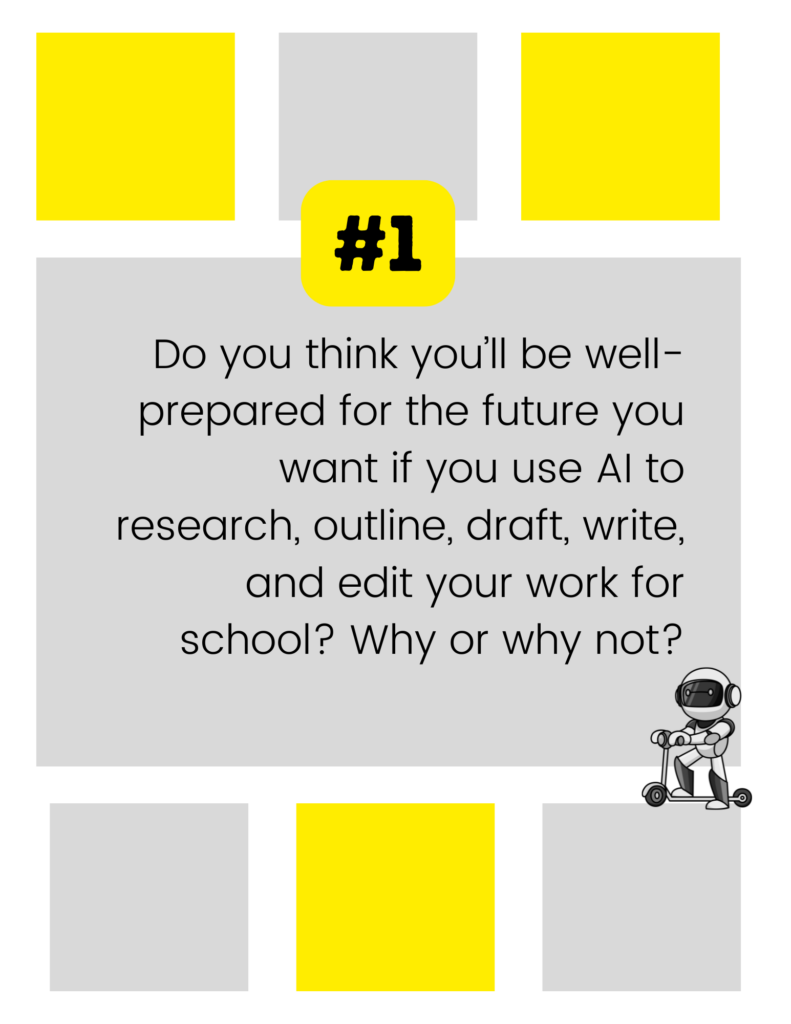
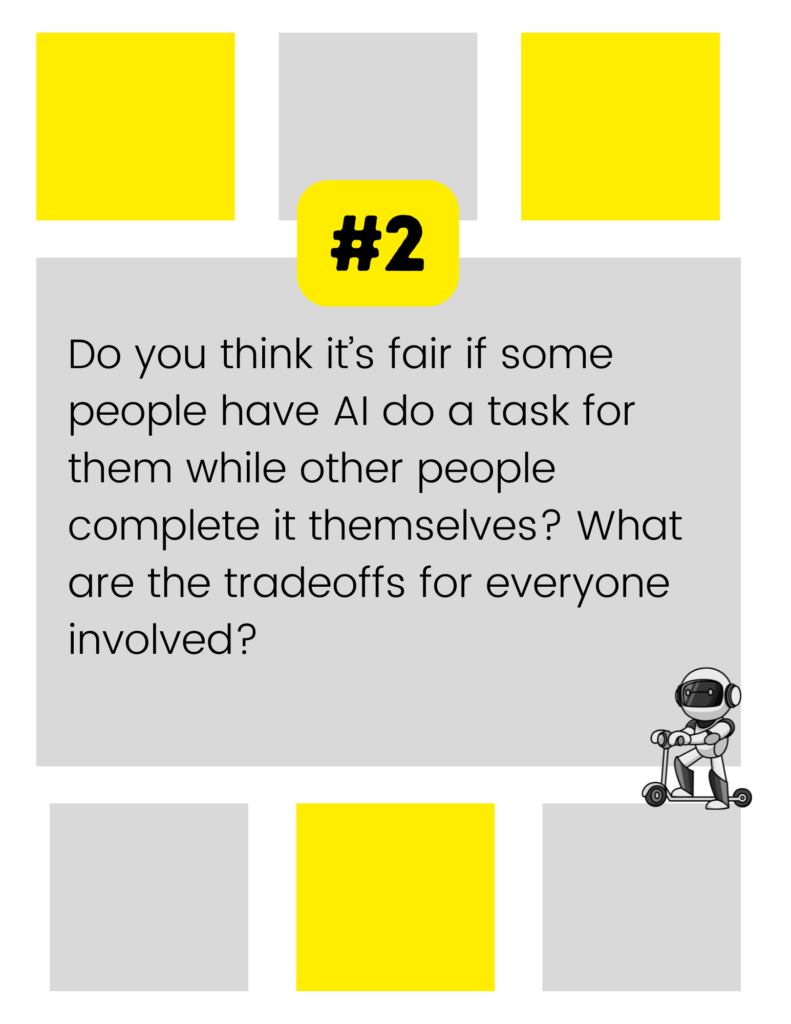
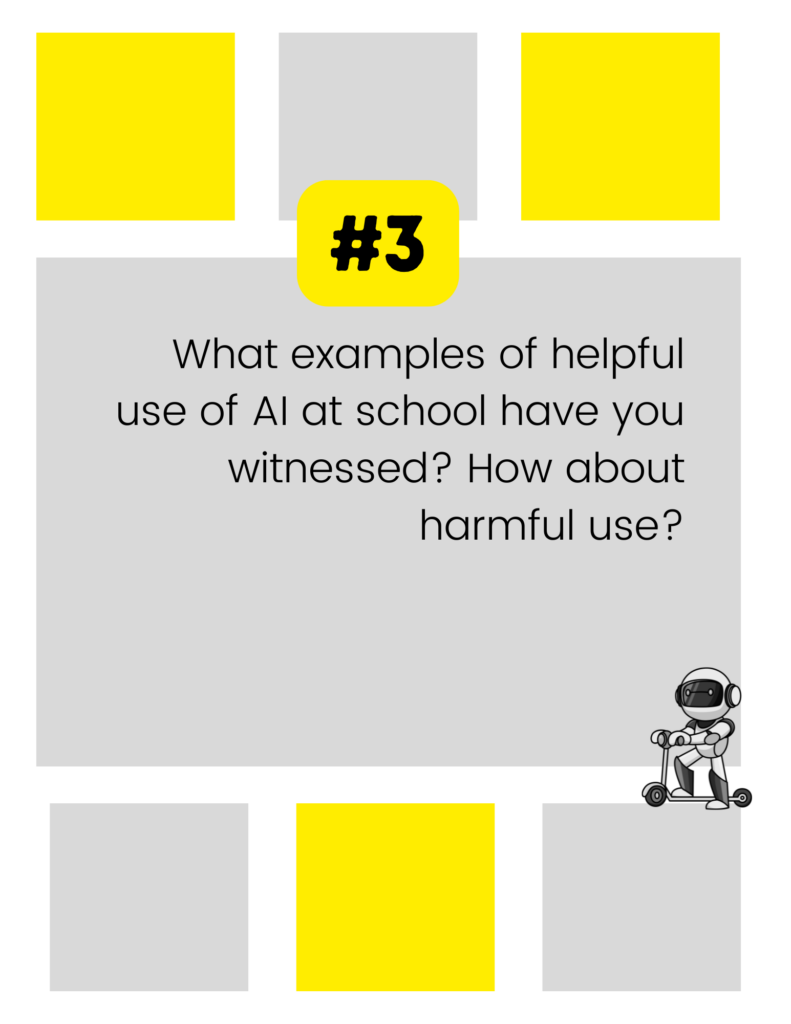
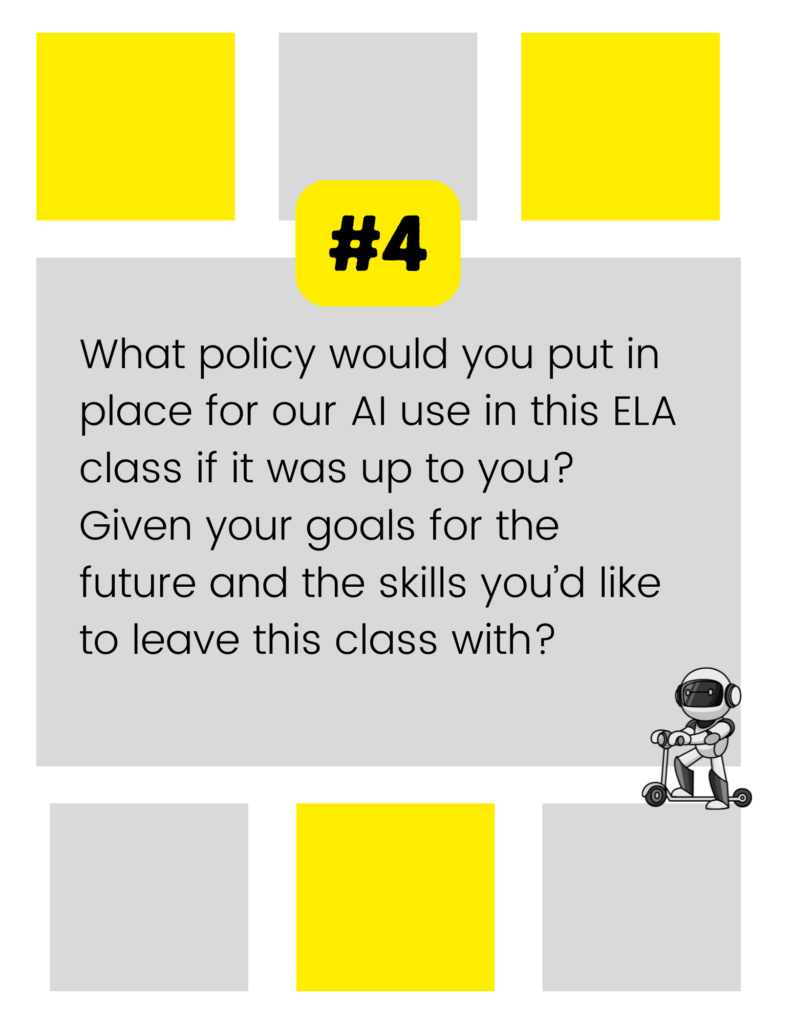
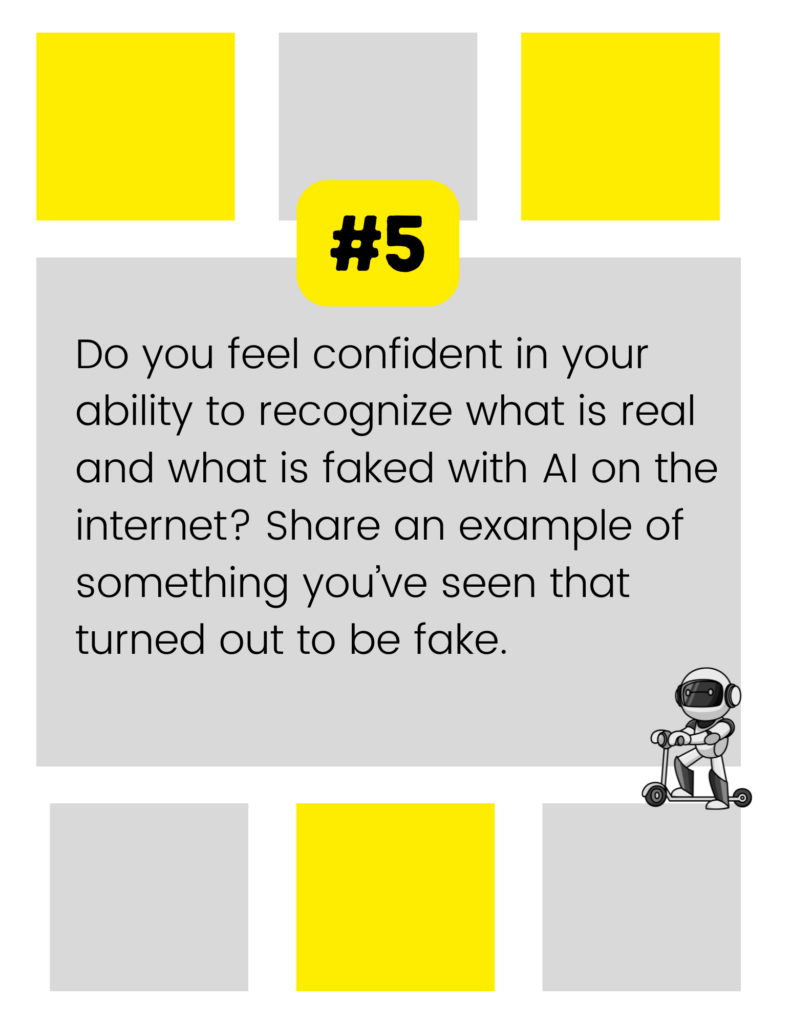
This station gets the ball rolling on student opinion. What have they seen and heard? How do they feel? What do they notice? They’re in the center of a constant dilemma, wondering what’s real and what’s not in their feeds, wondering who in the class is using AI to get ahead, wondering if their future jobs will actually require them to be great at AI or if this is just a bubble of enthusiasm that’s soon to burst. Spread out the silent discussion prompts on a table or on the walls, and let kids write their thoughts and respond to each others’, either with post-its or on butcher paper, whiteboards, chalkboards, etc.
AI Activity or Station #2: The Scale
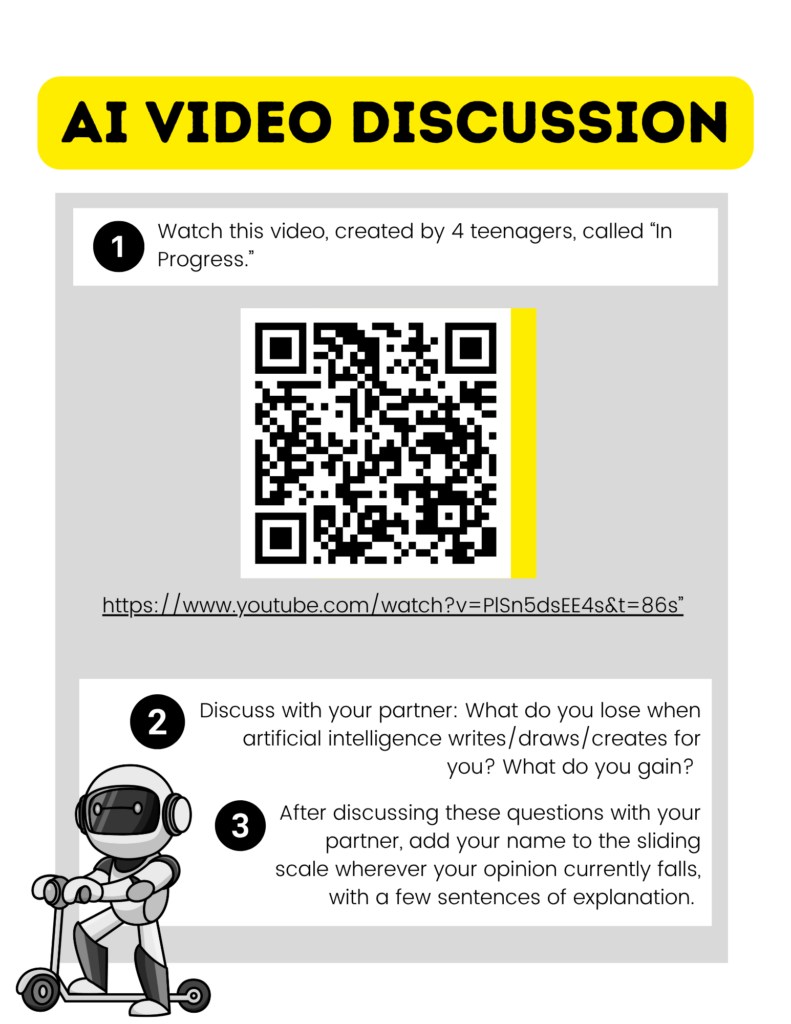
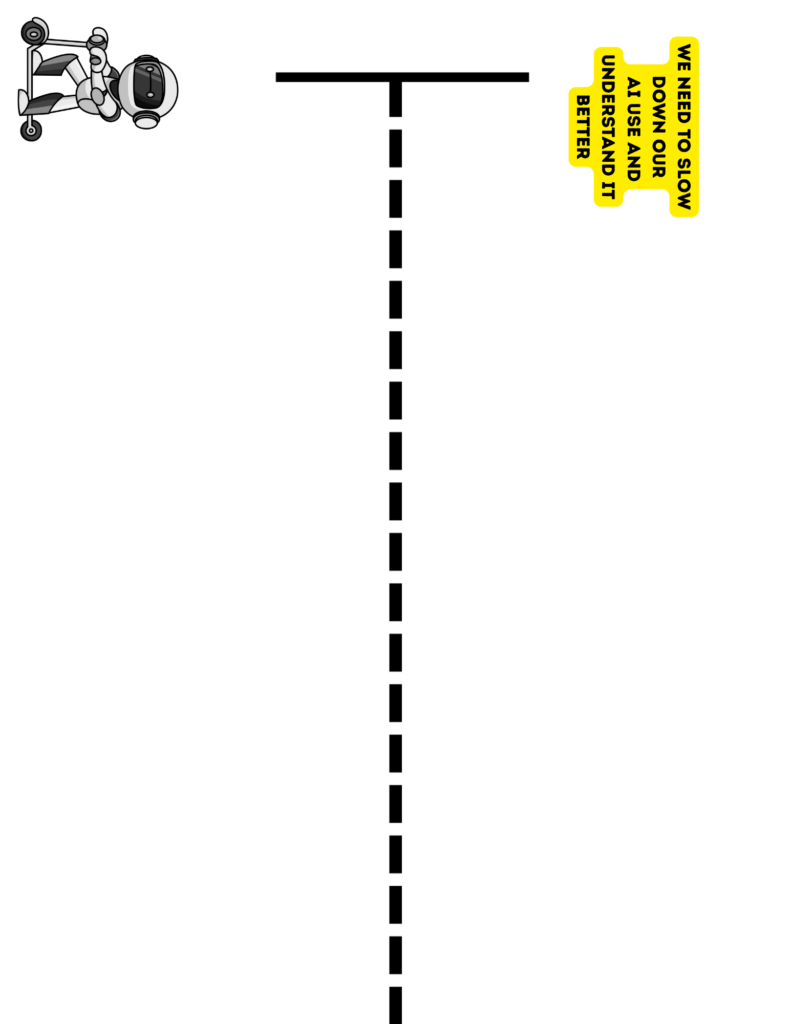
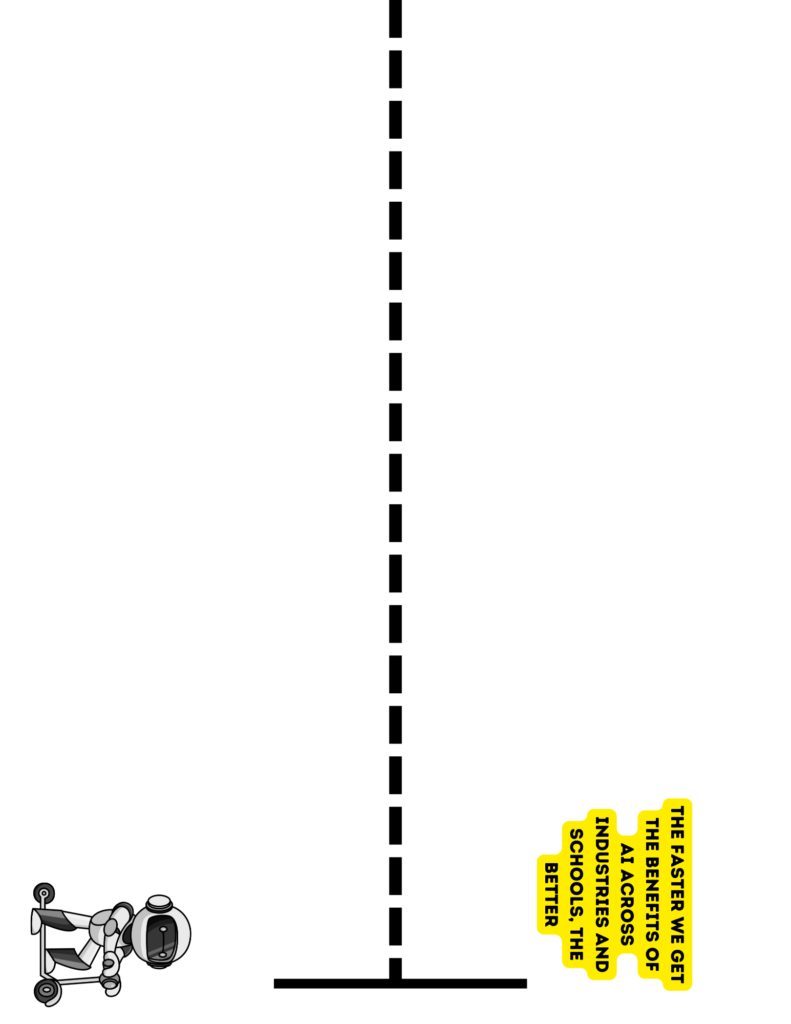
For this activity, students have a chance to watch the impactful student-created video “In Progress,” from the New York Times Student Media Contest about Growing up with AI Finalist Gallery. After watching the video, they’ll talk iwth a partner about what they lose and gain when AI writes/draws/creates for them. Then they’ll place their opinion on a scale somewhere in between the idea that we need to slow our AI use way down and regulate it, and the idea that we should implement AI use as quickly as possible to reap its benefits.
AI Activity or Station #3: Hexagonal Thinking (Pros and Cons)
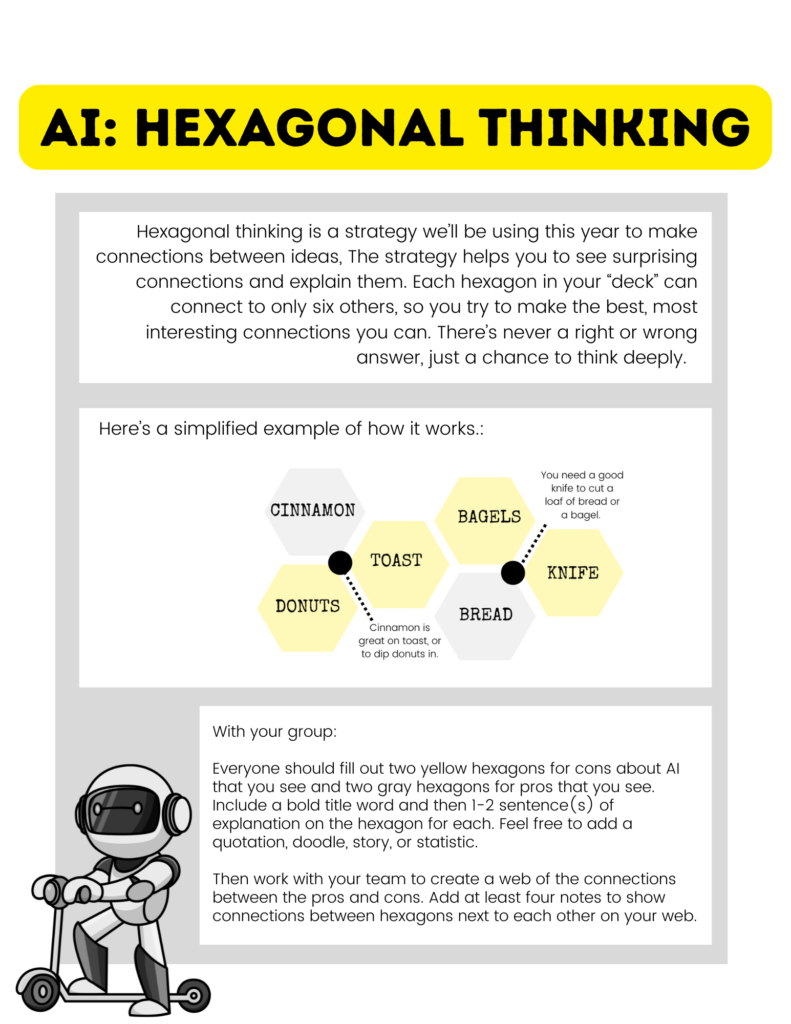

For this activity, students will fill out hexagons representing the pros and cones that they see for AI, then work together to connect them. If you’re new to hexagonal thinking – first invented by Anthony Hodgson – check out this video to understand how it works.
AI Activity or Station #4: Explore Student Media
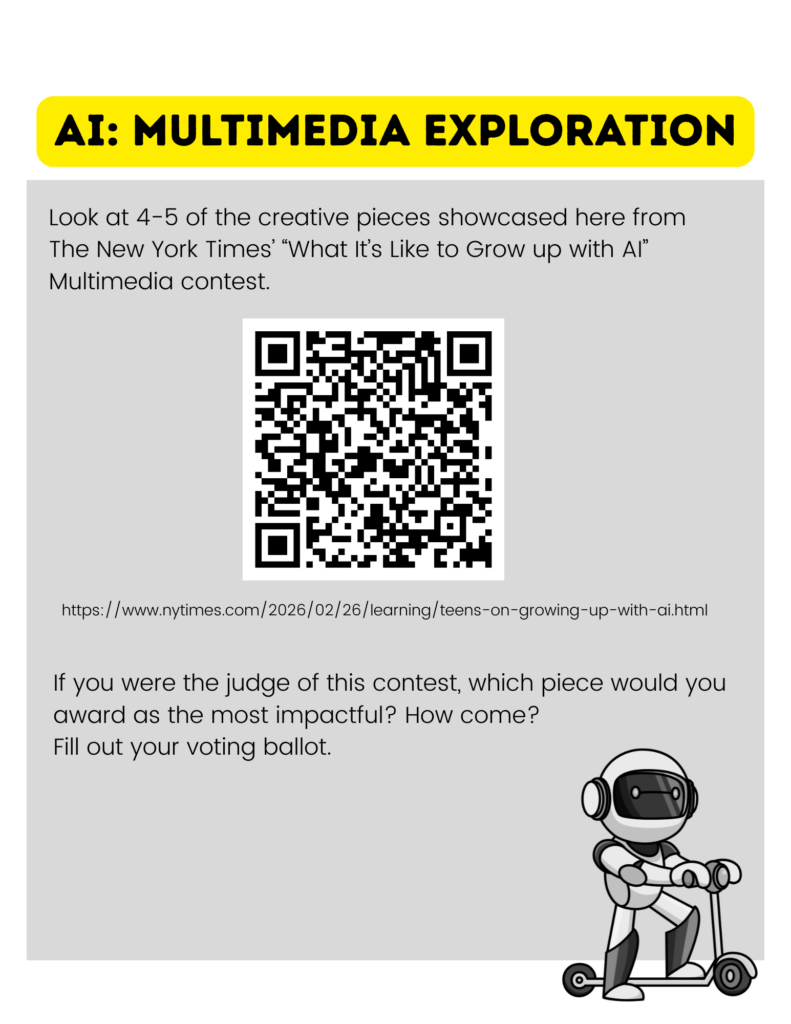
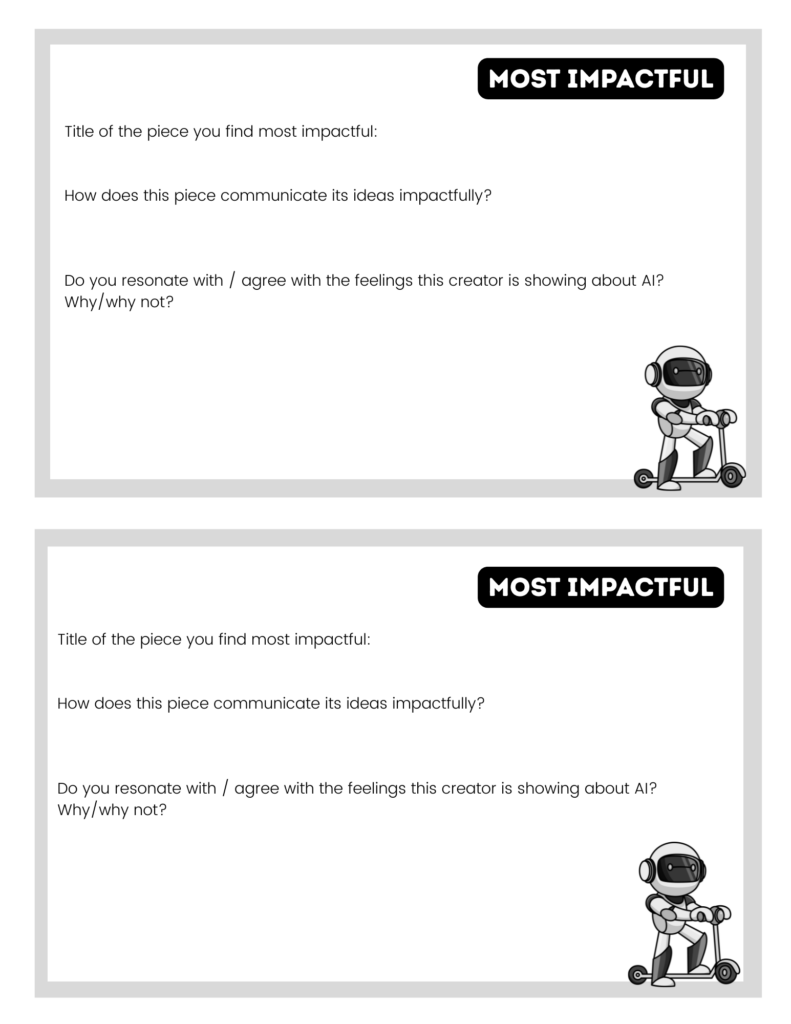
For this activity, students will have a chance to explore the wide range of work in the New York Times Student Finalist Gallery. As they watch/read/listen, they can consider which pieces they find most impactful, how they are communicating to make such an impact, and whether they resonate with the opinions and feelings being expressed. Hopefully this exploration of student voices might make students feel less alone in their frustrations and confusion over how they should be interacting with an industry that is simultaneously presented as the future of industry and a kind of dystopian existential threat to creativity and humanity.
Grab the Activities
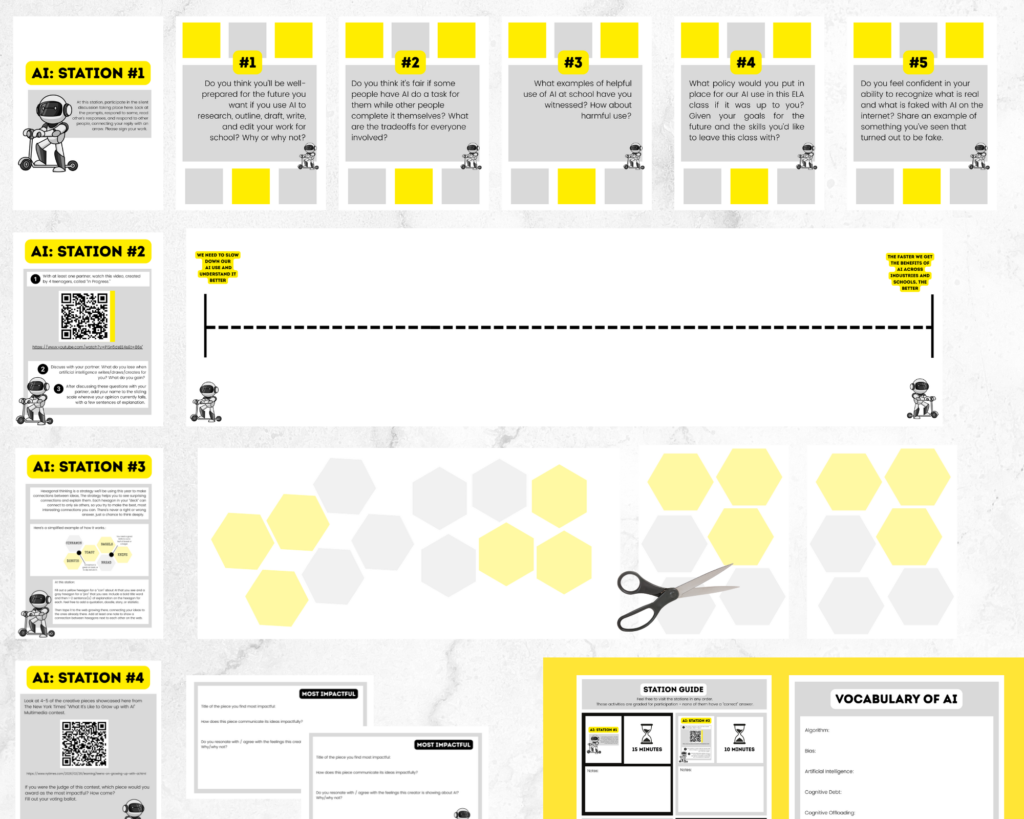
These activities can work as stations, or you can sprinkle them throughout your first couple of weeks. You can make your copy of the station version here, or the separate activities version here.